Praise for Women Make History: Stories We Should Have Learned in School
“…uplifting, especially…when the accomplishments of the women’s movement are under threat! Keep shining! We need you…” – Carol Finney
“…Thank you for the care you bring to these lives, and for creating a space where reflection matters as much as remembrance. I’m very much looking forward to what you’ll be sharing next…“ – Joe M. Arco
“… Your impactful research and articulate newsletters are extraordinary!” – L. Williams
-
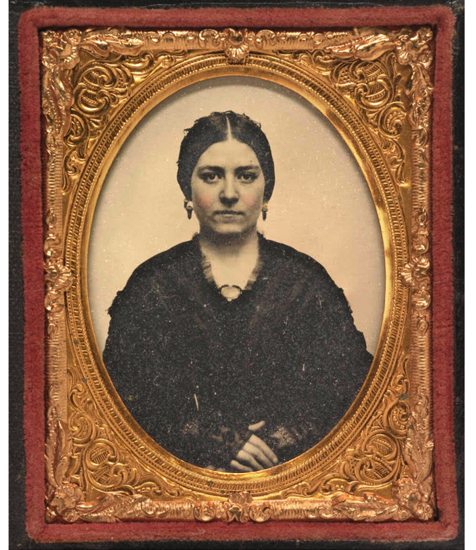
Mary Ann Patten: First Woman to Pilot a U.S. Cargo Ship
Read more »: Mary Ann Patten: First Woman to Pilot a U.S. Cargo ShipIn 1856, pregnant with her first child and only nineteen, Mary Ann Patten took command of the merchant ship, Neptune’s Car, piloted it through the treacherous waters of Cape Horn, and brought the vessel safely into San Francisco harbor, while fending off a mutiny and nursing her sick husband. She is thought to be the first woman in the U.S. to captain a cargo ship.
-
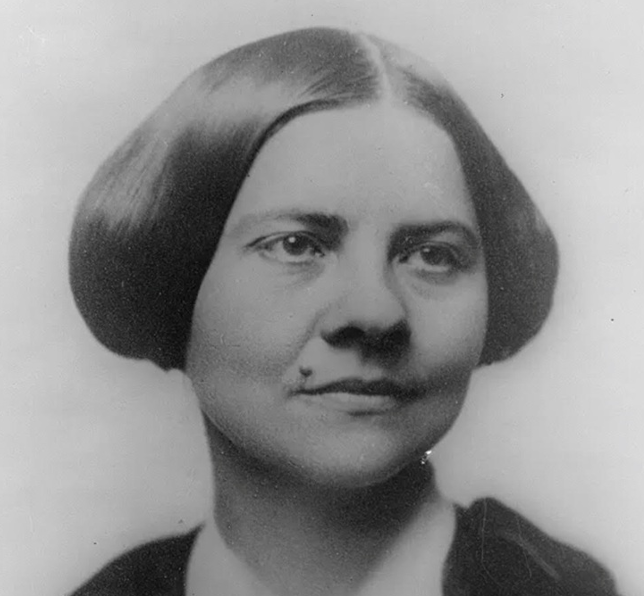
Lucy Stone: Abolitionist & Suffragist
Read more »: Lucy Stone: Abolitionist & SuffragistNote: In case you missed it, the story of Lucy Stone was the most popular of 2025. If you’d like to reread or share it with others, here it is in full.
Lucy Stone was a pioneering abolitionist and suffragist in the mid-nineteenth century. The first woman in Massachusetts to earn a college degree, she fought for racial and gender equality by generating support for amending the Constitution to give Black men the vote, and by laying the foundation for the passage of the Nineteenth Amendment in 1920.
-
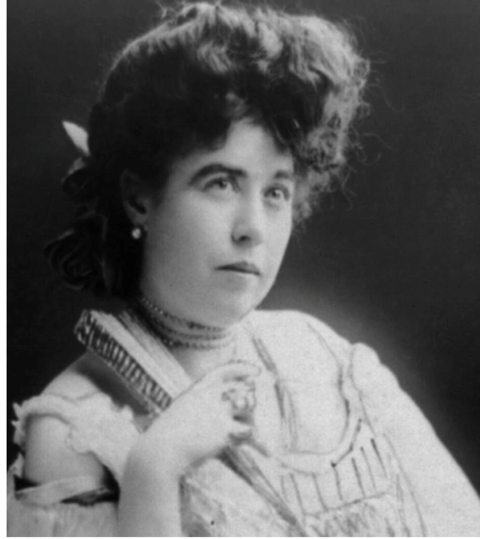
Margaret Brown: Unstoppable & Unsinkable
Read more »: Margaret Brown: Unstoppable & UnsinkableMargaret Brown was as unstoppable as she was unsinkable. Revered and reviled for her outspoken political activism, her fame catapulted to new heights when she helped to save others during the 1912 sinking of the RMS Titanic. Brown was later mythologized in film and on stage as “The Unsinkable Molly Brown.” Yet during her lifetime, she was never known as Molly, only as Maggie or Margaret. That said, Brown was an unstoppable force. An activist and philanthropist who focused on improving the lives of women and children, she was also a suffragist, actress, and a candidate for a seat in the U.S. Congress.
-
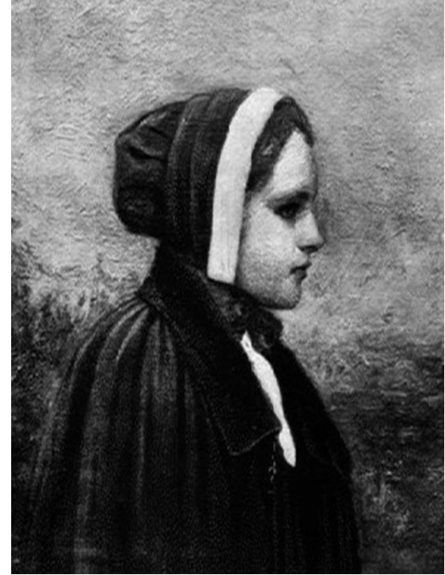
Salem’s First Convicted Witch: Bridget Bishop
Read more »: Salem’s First Convicted Witch: Bridget BishopIn 1692, tavern keeper and possible midwife Bridget Bishop wasn’t the first to be accused of witchcraft in Salem, Massachusetts, but she has the distinction of being the first to die. Born Bridget Magnus in England in the mid-to-late 1630s, information about her is sparse and debatable. Much of what is known came from her neighbors’ testimonies at trial. She married three, possibly four times. Her first marriage took place in 1660, and she outlived her first and second husbands. The first died either before or shortly after she immigrated to the Massachusetts colony, where her infant child also died.
-
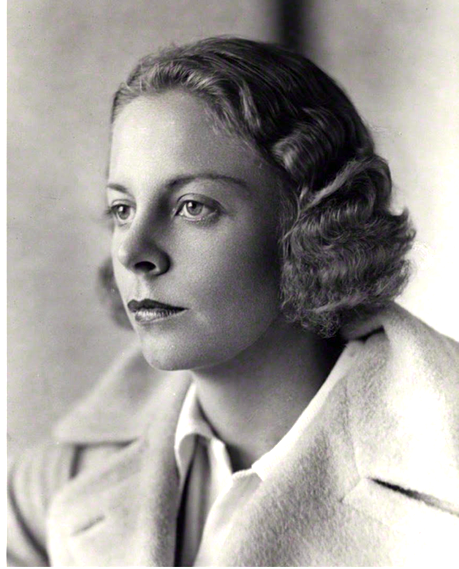
Alice Marble: Swat Queen
Read more »: Alice Marble: Swat QueenAs a young woman in the 1930s and 1940s, Alice Marble rose from what she called the “pinch” of poverty to become an international athlete, author, activist, and spy. She helped to integrate the game of tennis, made athletic wear for women fashionable, and later coached the future greats of tennis, including Billy Jean King. She even had a minor role in a movie starring Spencer Tracy and Katherine Hepburn.
-
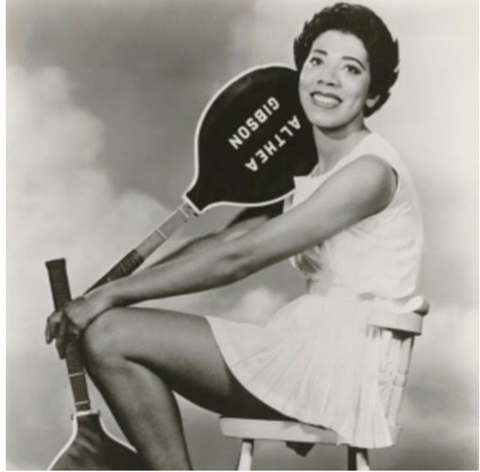
Althea Gibson: Master of the Court
Read more »: Althea Gibson: Master of the CourtIf you’ve heard the name Althea Gibson this month, there’s a good reason. August 25 marks the 75th anniversary of an historic event: the day that Gibson became the first African American to compete at the U.S. National Tennis Championship, now known as the U.S. Open.
-
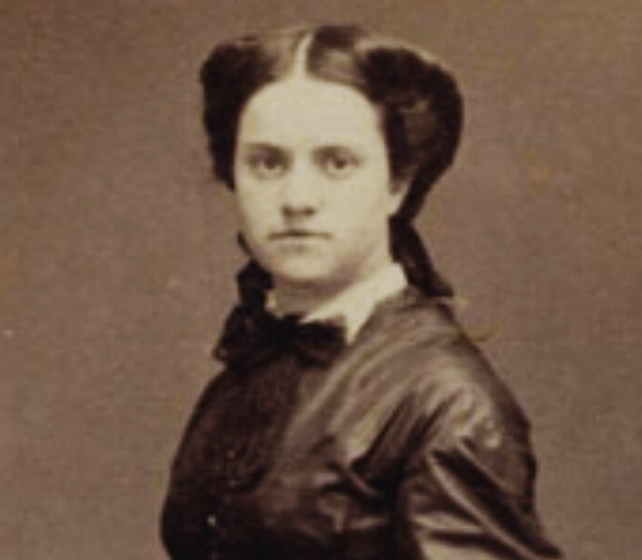
Emily Warren Roebling
Read more »: Emily Warren RoeblingIn the Gilded Age of America, Emily Warren Roebling was a socialite, suffragist, builder, and businesswoman who managed the construction of the Brooklyn Bridge from 1869 until its completion in 1883. An engineering marvel, it was the largest suspension bridge in the world. Roebling was also an attorney and…
-
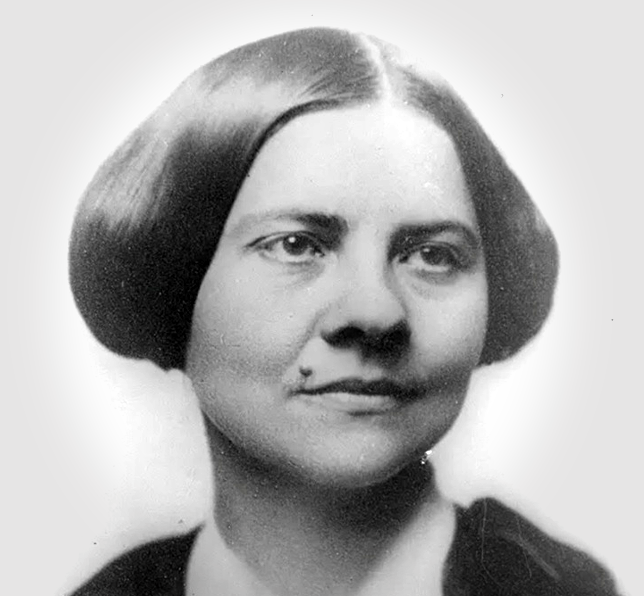
Lucy Stone
Read more »: Lucy StoneLucy Stone was a pioneering abolitionist and suffragist in the mid-nineteenth century. The first woman in Massachusetts to earn a college degree, she fought for racial and gender equality by generating support for amending the Constitution to give Black men the vote, and by laying the foundation for passage…
-

Sybil Ludington
Read more »: Sybil LudingtonBorn April 5,1761, in Kent, New York, Ludington was the oldest of 12 children. Her father had served as an officer in the British military, but when the American Revolution began, he joined the Continental army.
-
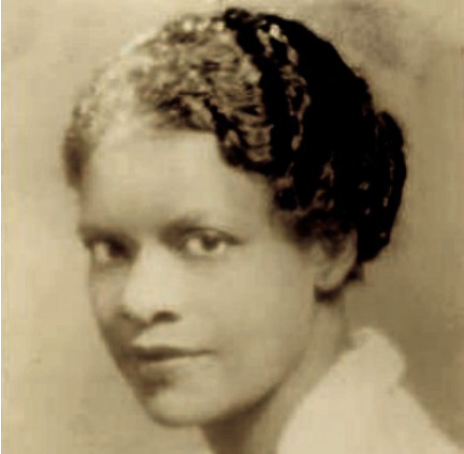
Eunice Hunton Carter
Read more »: Eunice Hunton CarterThe granddaughter of slaves, Eunice Hunton Carter was the first Black woman in New York to become Assistant District Attorney. The only person of color and woman among an all-white male team of special prosecutors, Carter was the mastermind that took down the notorious Lucky Luciano, then most powerful Mafia boss in the country and one of the most brutal in history.