Praise for Women Make History: Stories We Should Have Learned in School
“…uplifting, especially…when the accomplishments of the women’s movement are under threat! Keep shining! We need you…” – Carol Finney
“…Thank you for the care you bring to these lives, and for creating a space where reflection matters as much as remembrance. I’m very much looking forward to what you’ll be sharing next…“ – Joe M. Arco
“… Your impactful research and articulate newsletters are extraordinary!” – L. Williams
-
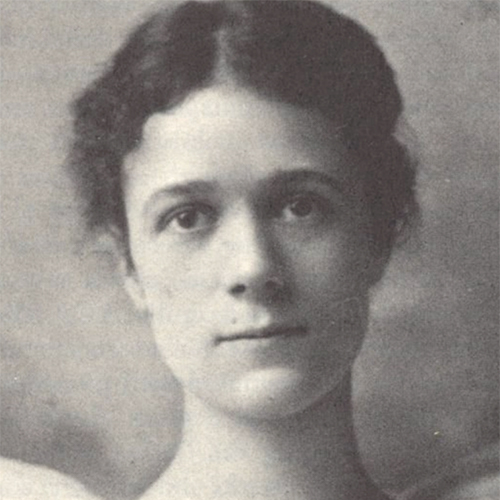
Helen Thompson Wooley: Debunking Sentimental Rot
Read more »: Helen Thompson Wooley: Debunking Sentimental RotIn 1900, Helen Thompson Woolley became one of the first women to earn a PhD in the burgeoning and male-dominated field of psychology. For her dissertation, she conducted groundbreaking research on the perceived psychological differences between men and women, upending culturally entrenched assumptions. She later pioneered research into early childhood education, resulting in changes to child labor laws. Throughout her career, Woolley battled gender discrimination and advocated for women’s rights…
-
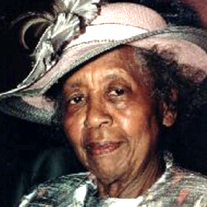
Loney Clinton Gordon: Crusader for Health
Read more »: Loney Clinton Gordon: Crusader for HealthIn 1943, working as a lab tech alongside two women scientists, Loney Clinton Gordon made a significant contribution to the discovery of an effective vaccine against pertussis, a deadly disease, commonly known as whooping cough. While the two scientists had already created a vaccine, they wanted something far more powerful to save lives. It was Gordon who succeeded in supplying the missing element…
-
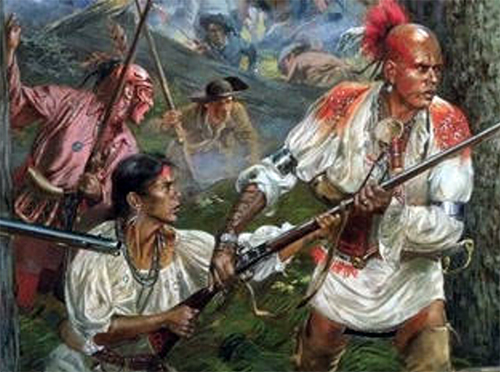
Tyonajanegan, aka Two Kettles Together: A Revolutionary Woman
Read more »: Tyonajanegan, aka Two Kettles Together: A Revolutionary WomanBrandishing two pistols on horseback, on August 6, 1777, an Oneida woman named Tyonajanegan rode into battle alongside her husband and son to fight the British at the Battle of Oriskany, one of the bloodiest of the Revolutionary War. When her husband, Chief of the Wolf clan, was shot in the wrist, Tyonajanegan stayed at his side, firing at the enemy and reloading his gun.
-
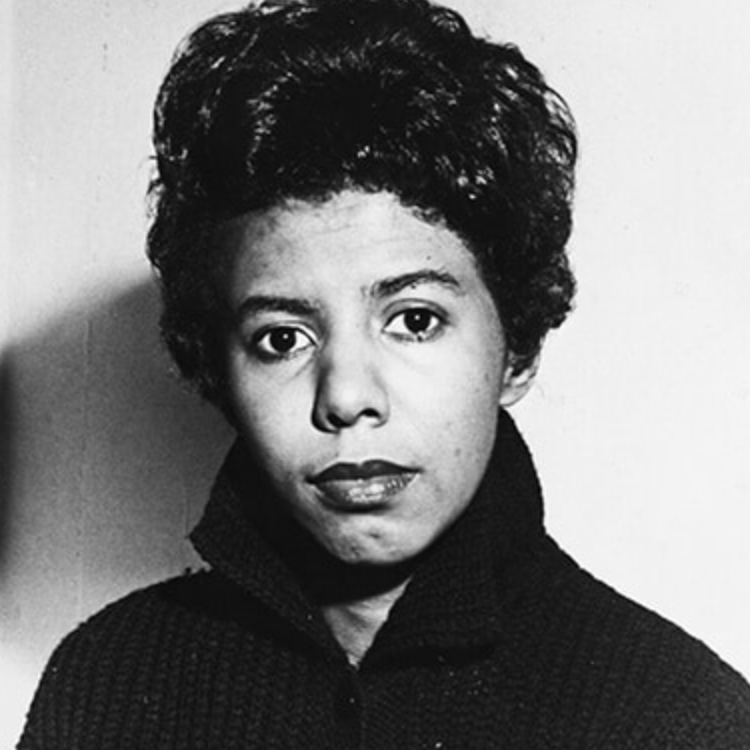
Lorraine Hansberry: Young, Gifted, Black & Gay
Read more »: Lorraine Hansberry: Young, Gifted, Black & GayThroughout her short life, Lorraine Hansberry battled a trifecta of legalized discrimination based on race, gender, and sexual orientation, but in 1959, at only twenty-nine, she created a pivotal opening for Black America. Hansberry became the first African American woman to have a play staged on Broadway. A groundbreaking work, A Raisin in the Sun was also the first directed by an African American.
-
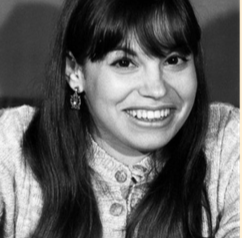
Judith Heumann: Warrior Activist
Read more »: Judith Heumann: Warrior ActivistIn 1947, eighteen-month-old Judith Heumann contracted polio, leaving her unable to walk. Throughout her life, she experienced unrelenting discrimination from every sector of society, including education, employment opportunities, politics, and law. But Heumann used it all as a catalyst to change how we think about people with disabilities and implement practical solutions.
-
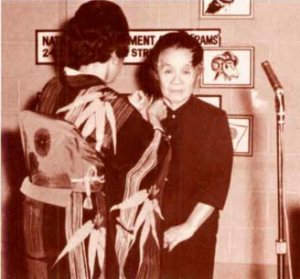
Kuniko Terasawa: A Quiet, Persistent Strength
Read more »: Kuniko Terasawa: A Quiet, Persistent StrengthIn 1941, when the US entered World War II, many Japanese Americans, especially those living along the West Coast, were forced from their homes and businesses and imprisoned in camps in rural areas. Kuniko Terasawa, a Japanese widow, mother of two, and owner of the Japanese- language newspaper, The Utah Nippo, defied the odds. She convinced government authorities to allow her to continue publishing.
-
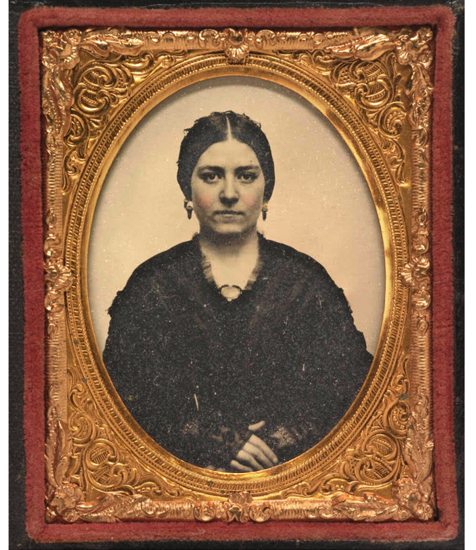
Mary Ann Patten: First Woman to Pilot a U.S. Cargo Ship
Read more »: Mary Ann Patten: First Woman to Pilot a U.S. Cargo ShipIn 1856, pregnant with her first child and only nineteen, Mary Ann Patten took command of the merchant ship, Neptune’s Car, piloted it through the treacherous waters of Cape Horn, and brought the vessel safely into San Francisco harbor, while fending off a mutiny and nursing her sick husband. She is thought to be the first woman in the U.S. to captain a cargo ship.
-
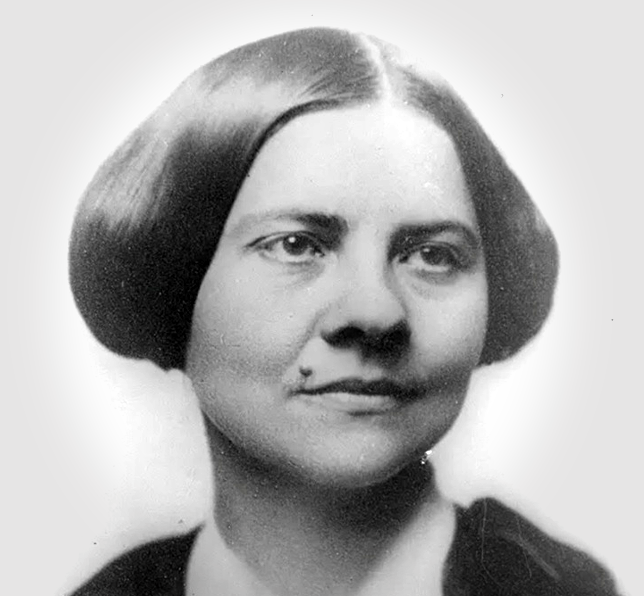
Lucy Stone: Abolitionist & Suffragist
Read more »: Lucy Stone: Abolitionist & SuffragistNote: In case you missed it, the story of Lucy Stone was the most popular of 2025. If you’d like to reread or share it with others, here it is in full.
Lucy Stone was a pioneering abolitionist and suffragist in the mid-nineteenth century. The first woman in Massachusetts to earn a college degree, she fought for racial and gender equality by generating support for amending the Constitution to give Black men the vote, and by laying the foundation for the passage of the Nineteenth Amendment in 1920.
-
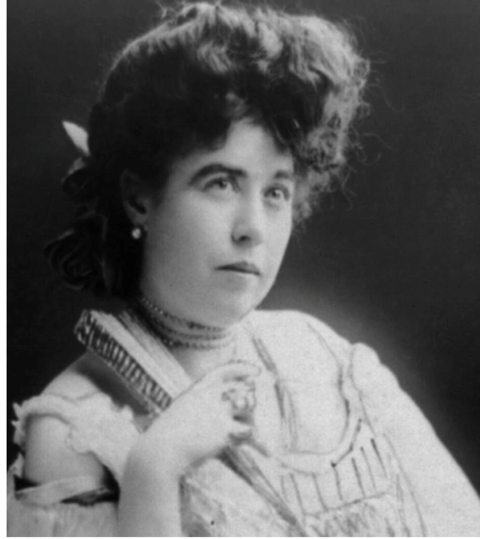
Margaret Brown: Unstoppable & Unsinkable
Read more »: Margaret Brown: Unstoppable & UnsinkableMargaret Brown was as unstoppable as she was unsinkable. Revered and reviled for her outspoken political activism, her fame catapulted to new heights when she helped to save others during the 1912 sinking of the RMS Titanic. Brown was later mythologized in film and on stage as “The Unsinkable Molly Brown.” Yet during her lifetime, she was never known as Molly, only as Maggie or Margaret. That said, Brown was an unstoppable force. An activist and philanthropist who focused on improving the lives of women and children, she was also a suffragist, actress, and a candidate for a seat in the U.S. Congress.
-
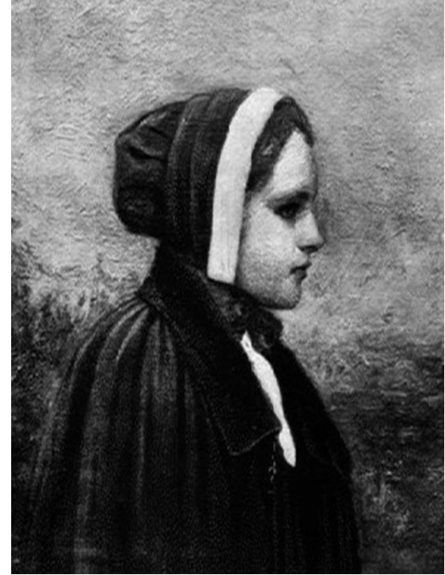
Salem’s First Convicted Witch: Bridget Bishop
Read more »: Salem’s First Convicted Witch: Bridget BishopIn 1692, tavern keeper and possible midwife Bridget Bishop wasn’t the first to be accused of witchcraft in Salem, Massachusetts, but she has the distinction of being the first to die. Born Bridget Magnus in England in the mid-to-late 1630s, information about her is sparse and debatable. Much of what is known came from her neighbors’ testimonies at trial. She married three, possibly four times. Her first marriage took place in 1660, and she outlived her first and second husbands. The first died either before or shortly after she immigrated to the Massachusetts colony, where her infant child also died.