Praise for Women Make History: Stories We Should Have Learned in School
“…uplifting, especially…when the accomplishments of the women’s movement are under threat! Keep shining! We need you…” – Carol Finney
“…Thank you for the care you bring to these lives, and for creating a space where reflection matters as much as remembrance. I’m very much looking forward to what you’ll be sharing next…“ – Joe M. Arco
“… Your impactful research and articulate newsletters are extraordinary!” – L. Williams
-
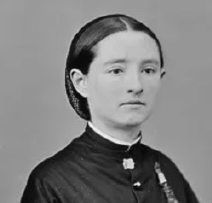
Deborah Sampson
Read more »: Deborah SampsonIn 1782, Deborah Sampson disguised herself as a man and enlisted in the Continental Army. She fought for nearly two years in the Revolutionary War before her secret was discovered. Although other women concealed their gender in order to join the fight, Sampson was the first whose service was recognized by the government and the only woman to receive a full pension.
-
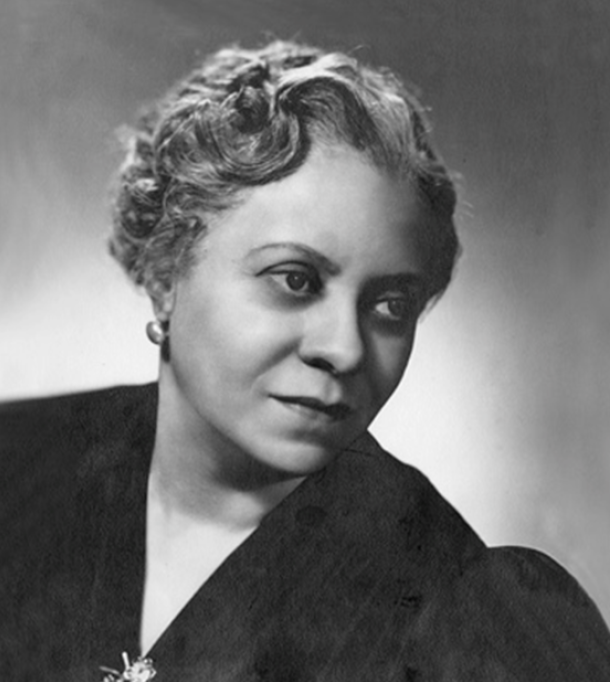
Florence Price
Read more »: Florence PriceClassical composer Florence Price made history in 1933 when she became the first African- American woman to have a symphony performed by a major American orchestra. Her Symphony No. 1 in E Minor debuted at the Chicago Worldâs Fair to packed house of more than 4000 people. Price received multiple standing ovations and critical acclaim.
-
Emma Rowena Gatewood
Read more »: Emma Rowena GatewoodOn May 3, 1955, 67-year-old Emma Rowena Gatewood told her adult children that she was going for a walk. Four months and 2,168 miles later, “Grandma” Gatewood, as she was known, became the first woman to solo hike the Appalachian Trail…
-
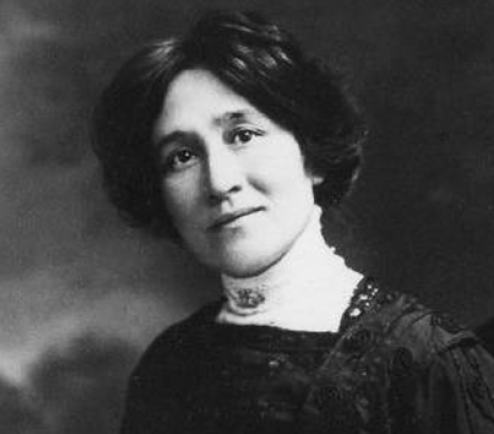
Sui Sin Far
Read more »: Sui Sin FarMore than 100 years before literary giants Amy Tan and Celeste Ng brought the Asian American experience to life, Sui Sin Far was a prolific author of fiction for both children and adults. She was also a travel writer, essayist, and among the first journalists to document the harsh realities facing Chinese immigrants in…
-
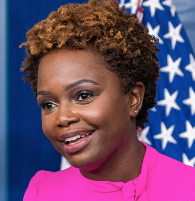
Karine Jean-Pierre
Read more »: Karine Jean-PierreOn her first day as President Biden’s press secretary, Karine Jean-Pierre made the statement above to reporters. She continued: “If it were not for generations of barrier-breaking people before me, I would not be here.”
-
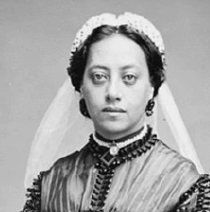
Mary Ellen Pleasant
Read more »: Mary Ellen PleasantBorn in Philadelphia in 1814 to parents of mixed race, Pleasant was known for her quick wit and street smarts.
-
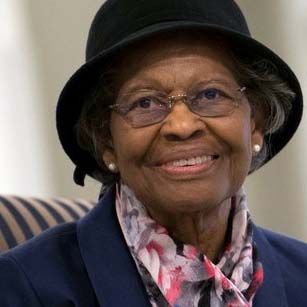
Dr. Gladys West
Read more »: Dr. Gladys WestThe next time you use a map or location service on your phone, laptop, or other electronicdevice, give a nod to Dr. Gladys West, an African American mathematician. Defying poverty, sexism, and Jim Crow segregation, her work was critical to the invention theGlobal Positioning System commonly known as GPS.
-
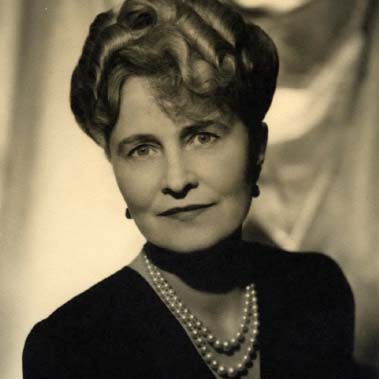
Marjorie Merriweather Post
Read more »: Marjorie Merriweather PostWhen Marjorie Merriweather Post inherited $27 million in 1914, (about $620 million in 2020 dollars), she became the wealthiest woman in the world. During her lifetime (1887-1973), Post was renowned for her beauty, lavish lifestyle, and vast collections of art and jewelry. But Post was also one of the most astute, pragmatic, and visionary business leaders and philanthropists in the first half of the 20th century.
-
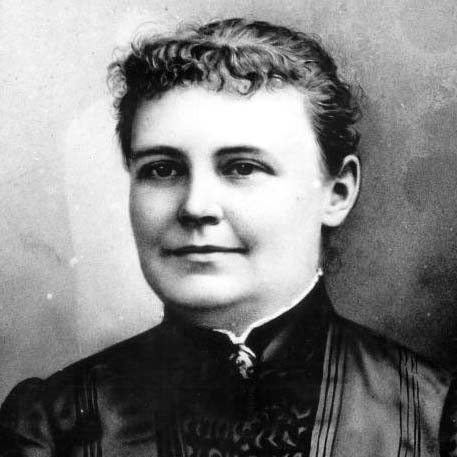
Julia DeForest Tuttle
Read more »: Julia DeForest TuttleBorn in Cleveland, Ohio, in January 1849, Julia Sturtevant married at the age of 19 and had two children. When her husband, an iron magnate, died ten years later and left her in debt, the resourceful Tuttle…
-
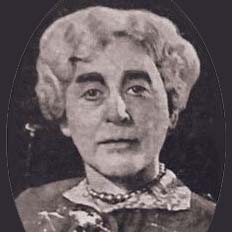
Elizabeth Magie
Read more »: Elizabeth MagieGame designer, inventor, feminist, and economic activist, Elizabeth “Lizzie” Magie created the game later known as Monopoly. Whether writing short stories and poems, working as a newspaper reporter, or performing as a comedian and stage actressMagie used social engagement and entertainment as a tool to bring about political and economic change.